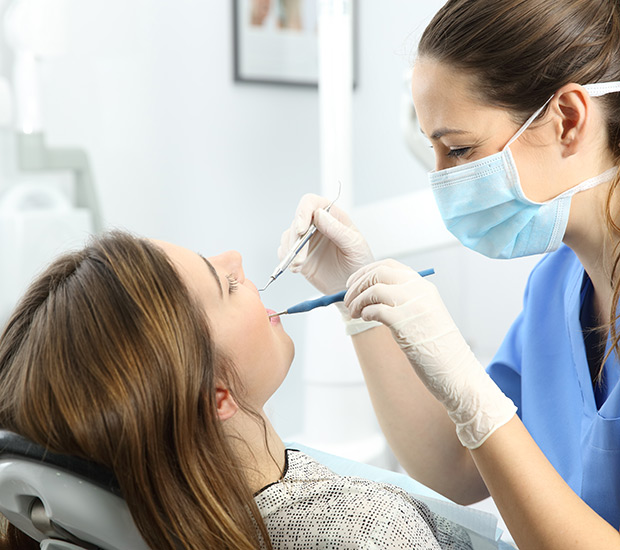
 A dental practice often has hygienists to help the patient’s teeth stay clean. The hygienist has a different job than the dentist. However, it is equally important as the dentist’s job. Therefore, it is essential to understand the differences. Keep reading to learn more about dental hygienists and what the differences are between them and dentists.
What to know about dentists
The dentist is a type of doctor who works in dentistry. This medical field includes treating the teeth, mouth, and gums. Some research has suggested that oral disease might show there is an underlying health issue. That means the mouth’s health is vital to a patient’s overall health. The dentist can help the patient keep a healthier mouth through regular checkups and dental cleanings.
What does the dentist do?
The hygienist might find issues and show them to the dentist. But it is the dentist’s job to diagnose the issue. The dentist will then think of a way to treat the problem and help the patients meet their health goals. Some dentists also get extra training after attending dental school. That way, the dentist can work in a specific area of dentistry. That allows them to offer specific care to the patients.
What is a hygienist?
The hygienist helps a patient’s oral health stay intact. This professional can treat and prevent oral conditions. Much of the work is done independent of the dentist, and the dentist usually supervises them. The hygienist is a critical part of the dental practice. The goal is to prevent the dentist from having to do quite as much work.
The hygienist often cleans the teeth instead of the dentist. They might also do other preventive procedures, like exams. Plus, the hygienist can provide education to the patient. That includes answering questions about ways to keep the teeth cleaner and maintain better oral health.
What does the hygienist do at a dental practice?
One of the main differences between the hygienist and the dentist is the role’s function. The patient usually spends more time with the dentist only if there is an issue. That might include treating gum disease or a cavity. The hygienist can help with preventative care so that the patient can avoid other issues.
The hygienist often removes the plaque and tartar from the teeth. Then the teeth are ready for polishing. The hygienist might also do an X-ray and help with applying sealants and fluoride rinses. That can help to prevent cavities. The hygienist might show the patient how to floss and brush the teeth to prevent cavities or other issues, as well.
Visit a dental practice near you today
The hygienist can keep your teeth clean during an appointment at the dental practice. This thorough cleaning is often essential in preventing cavities. If you have other questions about a hygienist, your dental practice can answer them. Making an appointment today is the first step in a brighter and healthier smile.
Related Posts
Dental practices continue to serve as reliable sources of information for individuals seeking to maintain optimal oral health. However, myths often cloud the decision-making process related to daily care, recommended procedures, and overall dental well-being. Prime Dentistry seeks to debunk the five most common dental myths to help people regain control over their oral health.Some…
You are not alone if your busy schedule has prevented you from making regular visits to a dental practice. Though dental visits are important for oral health, people often put them off for a number of reasons, such as a lack of time. However, the following are signs that it is time to prioritize getting…
Good oral health is important for more than just how your teeth look. Our dental practice emphasizes to each patient that healthy teeth and gums can contribute to overall health. Neglecting oral hygiene can lead to serious health problems that affect other parts of the body. Here are three key ways oral health can affect…
