3 Things to Know About Sedation Dentistry
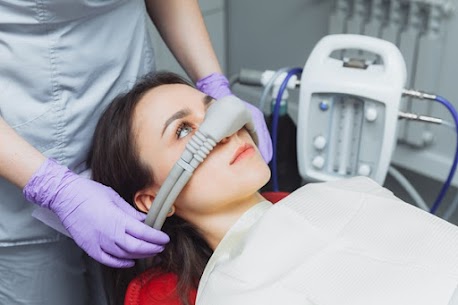
For many patients, sedation dentistry is a must for certain dental appointments. This branch of dentistry focuses on putting patients at ease and calming anxieties during visits. The use of sedation is most frequent when major treatments or procedures take place. These could include a root canal, filling, or restorative work such as a crown or bridge. If you have had negative experiences in the past with invasive dental work, sedation could make sense for you.
What happens during dental procedures
No one likes to feel pain and discomfort anywhere in their body. Teeth and gums can be especially sensitive. During procedures such as a root canal or filling, the dentist must access the damaged areas by using a dental drill. Without the use of local anesthesia, the pain would be excruciating. The medication numbs the area and blocks the pain the patient would otherwise feel. Other processes involve cutting into the gums or coming into contact with nerves, roots, and other tissue.
Sedation dentistry is useful for many types of patients
A patient does not have to be a certain age or have a specific health history to ask for sedation before a dental procedure. However, some people may benefit from sedation than other patients. It can be good for young children who have dental anxiety or are fearful of the instruments the dentist will use. It may also make sense for people who do not respond well to anesthesia or who take a long time to get numb. Patients who have panic attacks or who have trouble sitting still for long periods should consider sedation.
Sedation does not take the place of anesthesia
For certain dental processes, pain medication will be necessary. The dentist will numb the mouth for the most invasive processes, especially those that will be deep into the root or gum. Longer procedures will also require a local anesthetic. Keep in mind that sedation dentistry will use sedation and anesthesia together.
The anesthesia prevents the person from feeling pain. The sedation calms and relaxes the patient who may have anxieties. Together, these methods can effectively prepare a person for any dental work. Sedating the person helps take the mind off the procedure.
Recovery is important after sedation
Be aware that the effects of sedation dentistry can last for several hours. After the dental procedure, the patient should arrange for a ride home. The person should also avoid doing anything strenuous for up to the next 24 hours. The patient might experience a dry mouth, nausea, or a headache afterward. Still, the patient should have peace of mind to know that sedation is common in dentist’s offices and should not pose any problems.
Learn more and have some extra help during your appointment
Do not let fear of pain keep you from seeing the dentist regularly. Thanks to sedation dentistry, you can feel at ease no matter what procedure you are undergoing. Talk to your dentist to see if sedation is available for you. You could be a good candidate for this option.
Request an appointment here: https://www.primedentistryfl.com or call Prime Dentistry at (954) 271-8079 for an appointment in our Coconut Creek office.
Check out what others are saying about our dental services on Yelp: Sedation Dentist in Coconut Creek, FL.
Related Posts
Many individuals experience oral health issues beyond surface-level discomfort due to underlying conditions and require professional evaluation. A dental practice diagnoses, treats, and prevents these concerns before they progress into more severe complications. Scheduling regular visits with these dental professionals can help you maintain your oral health in the short and long term.Regular dental examinations…
Regular visits to a dental practice provide essential care for achieving and maintaining optimal oral health throughout a patient’s lifetime. Beyond treating immediate dental concerns, a dental practice emphasizes preventive care, patient education, and tailored treatments designed to safeguard oral health for years to come. Understanding the role of professional dental care underscores the importance…
Teeth grinding, also known as bruxism, is a common problem seen in dental practices. In fact, many people have this condition and do not realize it because it tends to happen while sleeping. Over time, this habit can damage teeth, cause jaw pain, and lead to other problems, making getting the right treatment crucial.Even though…
A dental practice offers various services to help individuals maintain optimal oral health. Whether for routine cleanings, cosmetic enhancements, or restorative procedures, these services address different aspects of dental care. Regular visits to a dental practice ensure that individuals maintain healthy teeth and gums while addressing any concerns that may arise over time. Below are…
